
T Levels: What Parents of Year 11 Students Need to Know
As your child approaches the end of Year 11, you’ll be helping them make an important decision about their future.
For many parents, A Levels are the most familiar option. However, there’s another pathway that is becoming increasingly popular: T Levels.
If you’ve heard of T Levels but quite sure how they work, you’re not alone. In this guide, we’ll explain what T Levels are, how they compare to other post-16 options, and why they could be an excellent choice for your child.
What Are T Levels?
T Levels are two-year qualifications designed for students aged 16-19. They combine classroom learning with substantial industry experience, helping students develop both the knowledge and practical skills employers are looking for.
Developed in collaboration with employers and industry experts, these courses focus on preparing young people for skilled careers, apprenticeships and higher education.
Each T Level includes:
- Core knowledge and technical skills related to a specific industry
- Specialist occupational training
- A minimum 45-day industry placement with an employer
- English, maths and digital skills embedded throughout the programme

How Do T Levels Compare to A Levels?
A Levels are primarily academic qualifications, with students usually studying three separate subjects.
T Levels take a different approach. They focus on a particular career area and combine academic study with practical application.
In terms of qualifications, one T Level is equivalent to three A Levels.
This means students are undertaking a substantial qualification that is highly respected by employers and universities alike.
Myth-Busting Common Concerns
Myth 1: “T Levels are only for students who don’t want to go to university”
This is one of the biggest misconceptions.
Students who complete a T Level can progress to university, apprenticeships or employment. Many universities (though not all) accept T Levels for entry onto relevant degree programmes. If your child has a particular university in mind, it’s always worth checking the specific entry requirements for their chosen course.
In fact, the combination of academic knowledge and industry experience can help students stand out during university applications.
Myth 2: “They’re just another name for vocational qualifications”
T Levels are a relatively new qualification with a unique structure.
They were designed in partnership with employers to ensure students develop the skills needed in modern workplaces. The industry placement is much larger than traditional work experience and forms an integral part of the qualification.
Students are assessed through a combination of written exams, employer-set projects and practical assignments, making these courses both challenging and rigorous. This means learners still undertake substantial academic study alongside developing industry-specific skills.

Myth 3: “Employers don’t know what T Levels are”
Awareness of T Levels continues to grow, and thousands of employers across England now support the programme by providing industry placements.
Because employers helped shape the content of T Levels, they have confidence that students are developing relevant, workplace-ready skills.
Myth 4: “Students miss out on the college experience”
Not at all.
T Level students enjoy the same college experience as other learners, including enrichment activities, student support services, clubs, societies and opportunities to make new friends.
The added benefit is that they also gain valuable experience in a real workplace.
The Benefits of Choosing a T Level
Real Industry Experience
One of the biggest advantages of a T Level is the industry placement.
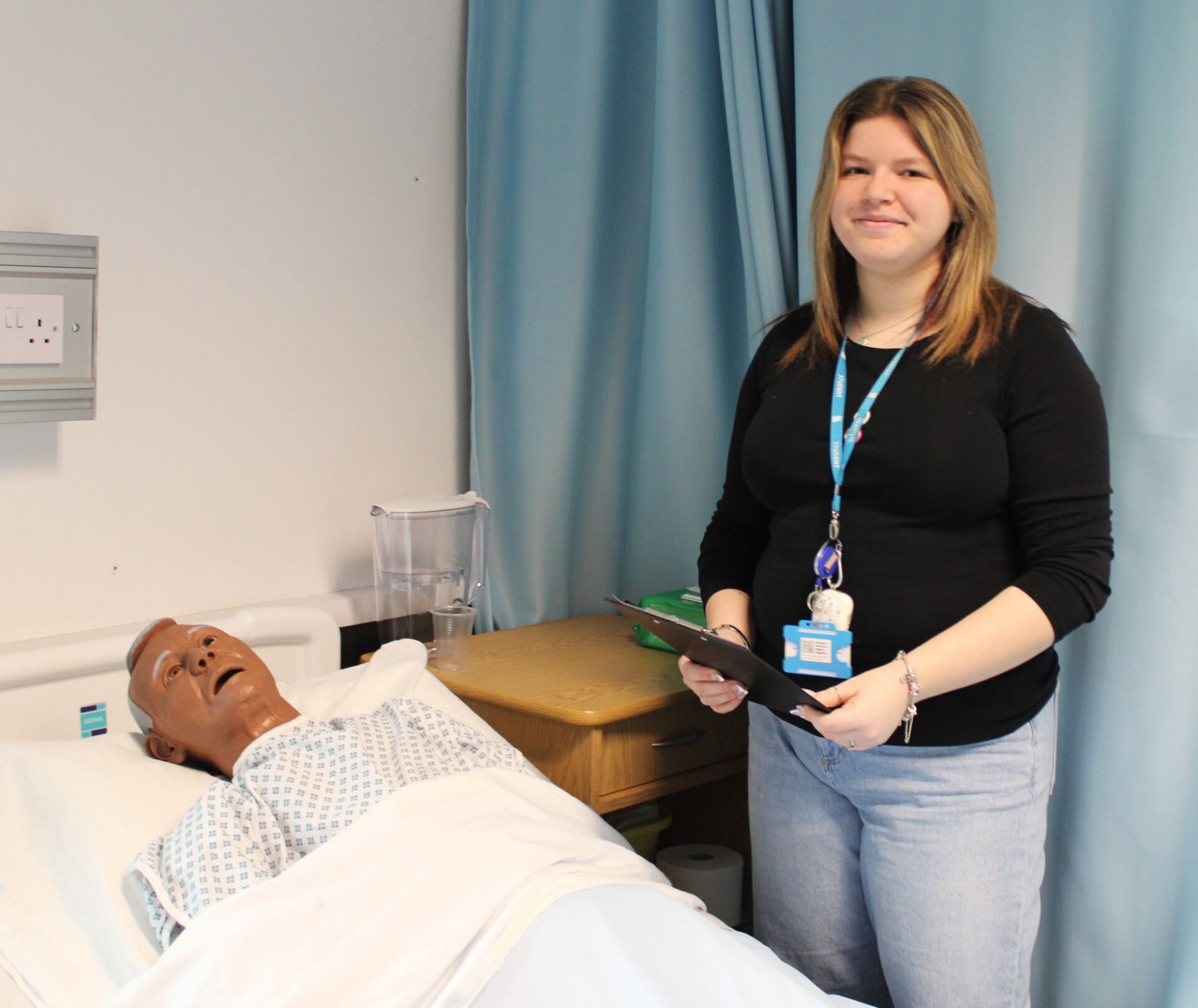
Many parents worry that their child will need to find their own industry placement. At Bradford College, our dedicated teams work with employers to arrange placements, helping students gain valuable experience with organisations relevant to their chosen industry.
Students spend at least 45 days working with an employer, applying what they’ve learned in the classroom to real-life situations. This helps them build confidence, professional skills and valuable industry contacts.
A Head Start in Their Career
By the time students complete their course, they have gained experience that many young people do not receive until much later.
This can make them more attractive to employers and better prepared for the next stage of their journey.
Strong Progression Opportunities
Rather than keeping options open by staying broad, T Levels allow students to develop expertise in an area they are passionate about while maintaining multiple progression routes.
The benefits of T Levels can continue into higher education. Universities have reported to us that students progressing from Health and Science-related T Levels into courses such as nursing, midwifery and paramedic science often arrive with valuable workplace experience and confidence gained through their industry placements.
T Levels can lead to:
- University
- Higher and degree apprenticeships
- Skilled employment
- Further training and professional development
Rather than keeping options open by staying broad, T Levels allow students to develop expertise in an area they are passionate about while maintaining multiple progression routes.
The benefits of T Levels can continue into higher education. Universities have reported to us that students progressing from Health and Science-related T Levels into courses such as nursing, midwifery and paramedic science often arrive with valuable workplace experience and confidence gained through their industry placements.

Learning with Purpose
Many students thrive when they can clearly see how their studies connect to the world of work.
T Levels combine theory and practice, helping learners understand not just what they are learning, but how those skills will be used in their future careers.
T Levels at Bradford College
At Bradford College students can choose from T Levels in a range of high-demand industries, helping them develop the knowledge, skills and workplace experience needed for future success.
Our T Level subjects include Health & Social Care, Engineering & Civil Engineering, Early Years & Childcare, Digital, Science, Construction, Business and Media, giving students the opportunity to specialise in an area that matches their interests and career ambitions.
Parents can feel confident in choosing a T Level at Bradford College. Our students have consistently achieved excellent results, with a 96% pass rate in 2026 and a 100% pass rate in 2025, demonstrating the strength of our T Level provision and student support.
With strong links to employers across the region, our T Level programmes help students gain valuable industry experience while keeping progression routes open to university, apprenticeships and employment.
Is a T Level Right for Your Child?
T Levels are particularly well suited to students who already have an idea of the career area they would like to explore. By combining academic study with industry experience, they help young people develop specialist skills while keeping progression routes open to university, apprenticeships and employment.
T Levels can be a great choice for students who:
- Enjoy hands-on learning alongside classroom study
- Have an interest in a particular industry or career area
- Want to gain real workplace experience
- Are considering university, an apprenticeship or direct employment
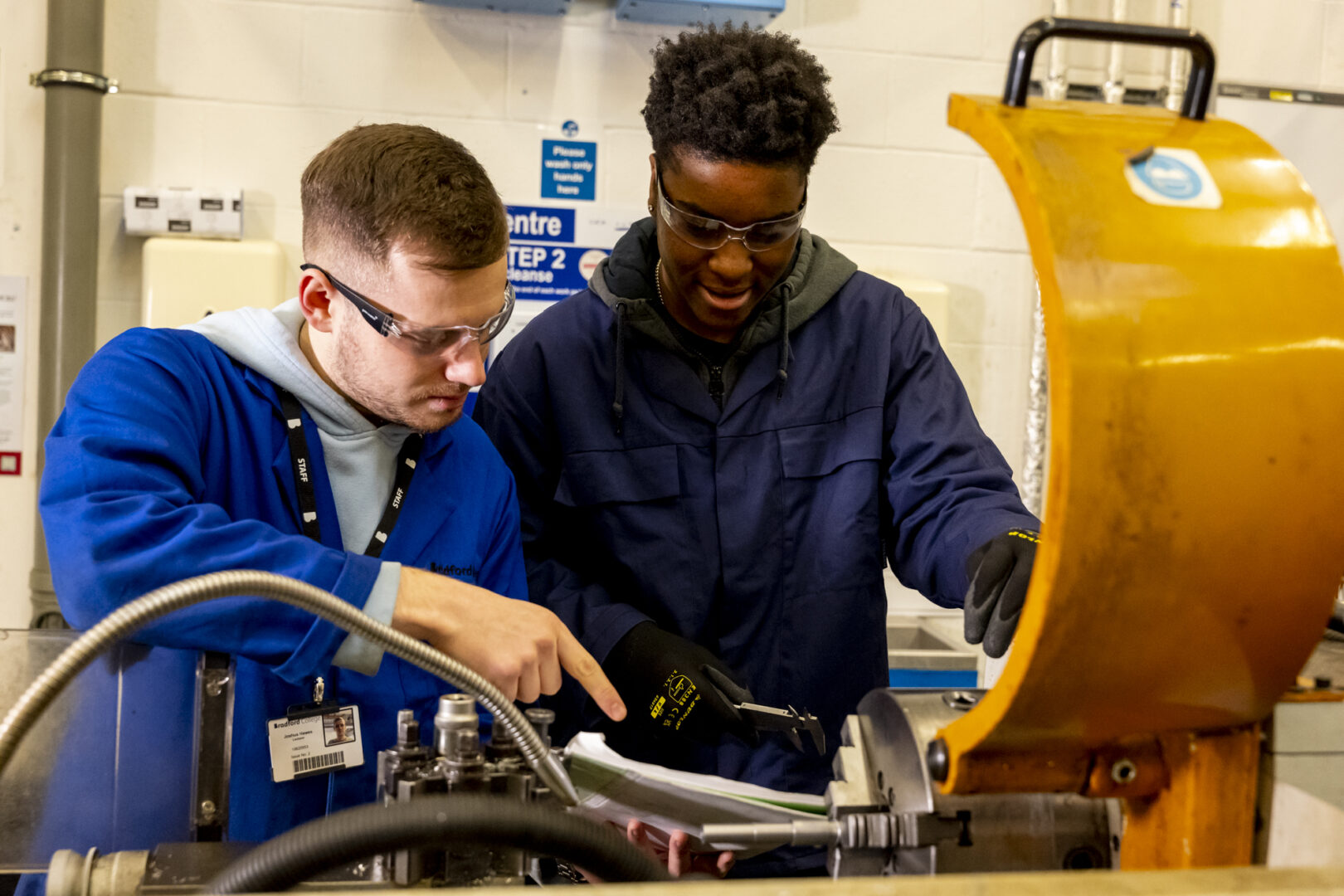
Like any qualification, the right choice depends on your child’s interests, learning style and future ambitions.
Supporting Your Child’s Decision
Choosing where to progress to after Year 11 can feel daunting, both for students and parents.
The best approach is to explore all available options, attend open events, speak to teachers and careers advisers, and ask plenty of questions.
Whether your child chooses A Levels, a T Level or an apprenticeship, the most important thing is finding a pathway that matches their strengths, interests and aspirations.
T Levels offer a unique opportunity to combine academic learning with real-world experience, helping young people develop the confidence, skills and knowledge they need to succeed in their future careers.
If you’d like to learn more about T Levels and explore the subject areas available at Bradford College, click below.
Click here to find out more about the T Levels we offer.